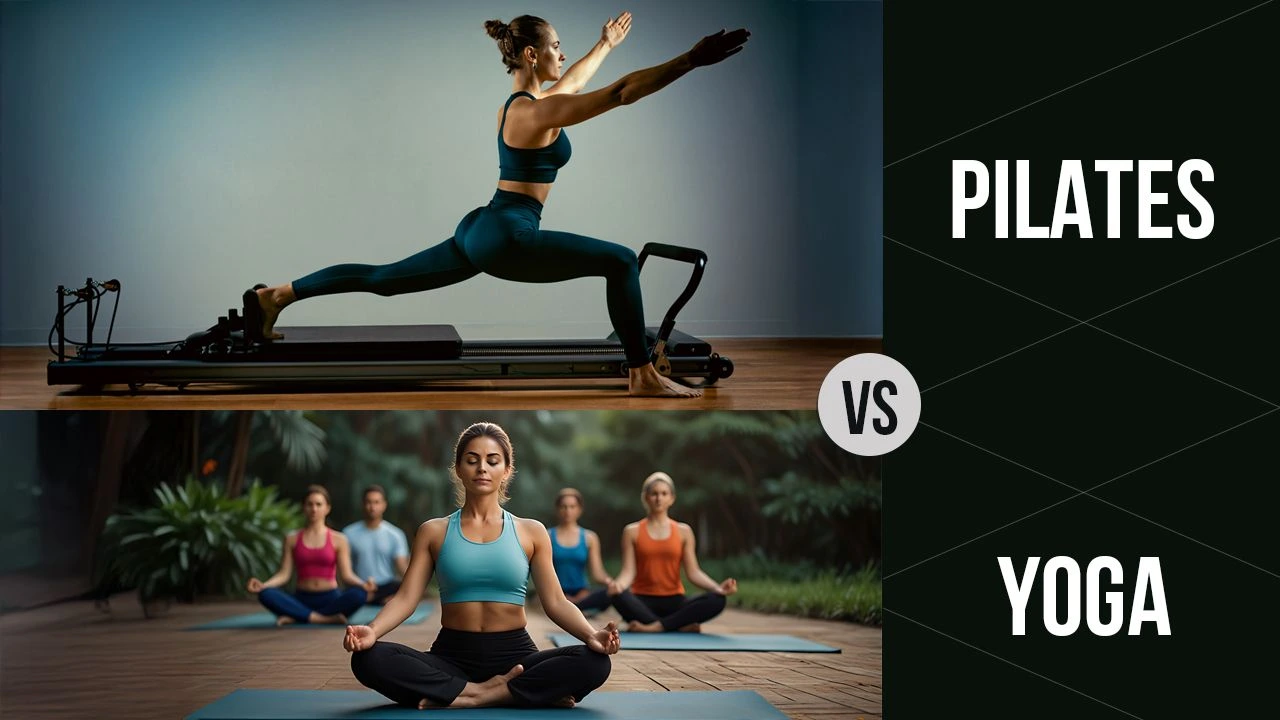
Pilate vs Yoga: Key differences and insights to choose the right one
Fitness is not just about aesthetics and calorie burn. Modern people seek workout regimes that directly impact their neuromuscular control, joint longevity, and mental stability. This sudden shift in workout has put more emphasis on two major workouts: Pilate vs Yoga. Both of these are frequently grouped as one or are considered as one. However, there is a significant distinction between them. It is a critical distinction that is tough to identify, especially for beginners, long-term fitness enthusiasts, and rehabilitation clients.
This has led to searches of “Pilates vs Yoga”, “difference between yoga and Pilates”, and “Yoga and Pilates near me”. Believe us, you are not the only one. It is a tough task for one to decide without any prior knowledge or experience. The detailed guide right here will assist you in understanding all the questions needed to be answered. After this, you can easily come to an informed decision.
What is Yoga?
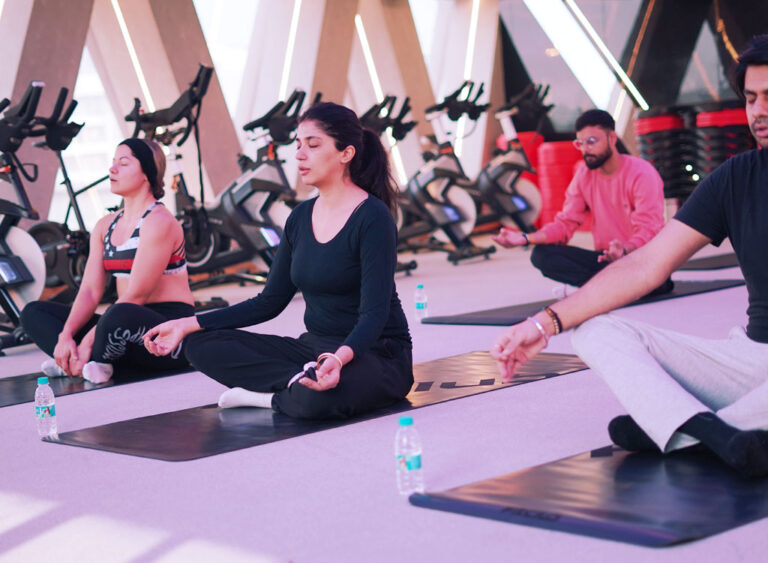
In India, yoga is an ancient exercise that has been practiced for 5,000 years. It is not limited to just physical workout; it is a discipline integrating mind, breath, and body. Yoga consists of:
- Asanas (Postures)
- Breathing Techniques (Pranayama)
- Mindfulness, and
- Meditation
Key Highlights of Yoga
- Physical postures for improvement in flexibility and balance
- Promotes relaxation and improves focus through breathing techniques
- Meditation for mental clarity and stress relief
- Focuses on the mind-body connection
Yoga is strongly connected to philosophical and spiritual foundations, while contemporary yoga classes might be more exercise-oriented.
What Is Pilates?
Pilates is a contemporary exercise method developed by Joseph Pilates in the early 20th century. Pilates is mainly about strengthening the center, posture, control, and balance exercised on the mat or on equipment such as the Pilates Reformer.
Key Highlights of Pilates
- Emphasis on basic muscle groups (abdominals, lower back, glutes)
- Focus on Alignment and posture correction
- Breathing coordinated with movement
Unlike yoga, Pilates is more of a physical activity.
Difference between Yoga and Pilates
It is imperative to understand the relevance of recognition between yoga and Pilates. Even though these exercises seem similar, their aims and approaches differ significantly.
Philosophy & Origin
Yoga: Yoga aims to create strong, flexible, and balanced individuals.
Pilates: A contemporary exercise technique used for physical therapy and strength building.
Focus & Goals
Yoga: Flexibility, balance, calmness of mind, and overall well-being
Pilates: Building core strength, muscle toning, posture modification, and injury rehabilitation
Breathing Techniques
Yoga: Deep breathing in a mindful way, sometimes unrelated to body movement.
Pilates: Exhalation coincides with muscle contractions to engage the muscle group that helps control
Movement & Flow
Yoga: Static positions or dynamic flows (such as Vinyasa Yoga).
Pilates: Repetitive, precise movements through controlled exercises.
Equipment
Yoga: Typically, only needs a mat.
Pilates: Can be done on a mat or using equipment such as Reformers, Chairs, and Rings.
Pilate Exercises: What to Expect?
Pilates exercises help build core strength and enhance flexibility and posture. The following are some of the common Pilates exercises that are practiced by beginners and advanced individuals alike:
The Hundred
A traditional Pilates warm-up exercise that helps develop core strength and enhances blood circulation.
Roll
Strengthens abdominal muscles and increases back flexibility.
Leg Circles
Improves mobility around the hips.
Plank
Affects overall strength of the body and focuses on core stabilization.
Spine Stretch Forward
Increases flexibility and Corrects posture while strengthening the spine.
The exercises involved in Pilates are low-impact and highly efficient, so it is no wonder that it is a popular choice among people who have injuries or would like to correct their posture.
Pilates vs Yoga for Beginners
One of the most frequent questions asked online is “Pilates vs yoga for beginners.” There is no exact response to it. The answer depends upon the end goal of an individual:
Yoga Exercise if:
- Stress Relief or Mental Relaxation is the goal
- Balance Training and Flexibility is the preference
- Like meditative and Slower movements
- Seeking mindfulness and breath work
Pilates Exercises if:
- Seeking toned muscles and building core strength
- Posture and Lower back issues
- Prefer Structured and Exercise-based Routines
- Low-impact workout with visible physical results
Beginners usually start with Yoga for flexibility and then later on add Pilates to the regimen for strength building and vice versa.
How to choose the right Fitness Center Class?
Searching for yoga and pilates near me is time-consuming and is also a crucial decision to make. The location is not the only important aspect you need to look out for.
Tips to find the right class:
- Look out for the instructor certifications and expertise
- Search for beginner-friendly classes if you are a beginner
- Ask about the trial session availability
- Review class size, equipment, and quality
- Think about your preference; private sessions or group sessions
FitClub is one of the fitness centers offering both Yoga and Pilates, making it easy for those looking forward to combining both regimes.
Pilates Health Benefits
- Strengthening Core Muscles
- Posture and alignment improvement
- Tones muscles without bulk
- Supports Injury rehabilitation
- Improves Body awareness
Physiotherapists mainly recommend Pilates exercises for people with postural correction and back pain.
Yoga vs Pilates: What Actually Fits Your Lifestyle?
When deciding between yoga and Pilates, it frequently comes down to how well the practice fits into your daily schedule and long-term objectives. Yoga easily fits into slower, recovery-focused schedules if your lifestyle requires stress reduction, mental clarity, and flexibility. However, Pilates more easily fits into a results-driven lifestyle if you’re looking for organised workouts, posture correction, core strength, and noticeable physical improvement.
Both Pilates and yoga at FitClub are made to complement contemporary, hectic schedules, enabling you to train wisely, maintain consistency, and select what genuinely supports your body and way of life without compromising.
Pilates vs Yoga: Which burns more calories?
Neither Pilates exercises nor Yoga is considered a primary weight-loss workout routine. The total calorie burnt depends upon the intensity of your workout. The main determining factor of it is not how fast your muscles move, but rather how many muscles are grouped. And how long do they remain in tension, etc?
- Vinyasa or Power Yoga: Beneficial for high Calorie Burn
- Pilates (Reformer): Moderate Calorie burn level
However, to be very honest, Pilates is at an advantage here. Wondering how? Go through the points given below:
- Based on Resistance movement for lean muscle activation
- Supports and contributes to metabolic efficiency
- Results in posture correction, reduces energy loss, and improves muscle movement
With time, this means achieving greater body recomposition, meaning a greater ratio of lean muscle tissue to fat mass, instead of just intense bursts of cardio exercise.
Fitness centers such as FitClub, which provide organized Pilates training as well as yoga, allow one to take advantage of this balanced system. Pilates will maintain metabolic health, muscle tone, and weight with regular practice. This is beneficial for those who require measurable success beyond calorie counting.
Final Thoughts!
In short, it is not possible to give a general answer to the question Pilates vs yoga, as it depends on the individual. But when it comes to achieving measurable physical improvement, it is evident that Pilates is the more effective method for most people.
- Mental relaxation and versatility: Yoga is beneficial through respiratory and movement techniques.
- Core strength, posture, and stability exercises: Pilates offers far more effective outcomes, as it targets deep core muscles.
- Balance and overall fitness: Pilates offers a better foundation because it enhances mechanics and alignment.
Although yoga is extremely useful during the process of recovery as well as for the overall well-being of the mind, Pilates is a more result-oriented and organized way of gaining strength, fixing one’s posture, and increasing one’s fitness level.
The principal takeaway here is this: Pilates can truly function as a complete and intelligent movement modality on its own and, for many individuals, will prove to be the better option for making lasting physical gains.
Frequently Asked Questions (FAQs)
Yoga vs Pilates: Which burns more calories?
To be honest, Pilates burns more calories than yoga mainly because of its equipment and controlled muscle movements.
How to find yoga and Pilates near me?
With location-based searches, it is easy to find location-based gyms located near you. You will receive a long list of premium gyms with Yoga and Pilates facilities.
What is the difference between Yoga vs Pilates?
Both are low-impact workout regimes, but there is a difference between them; in yoga, you have to adopt a position and hold it. In Pilates, adopt a position and then challenge your core with muscle movement.
Which is better to improve posture: Yoga or Pilates?
Pilates is considered a better workout regimen to improve body posture because of its core-focused exercises.
Does Pilates help in weight loss?
Yes, Pilates results assist in body toning and building lean muscles, improving metabolism, and much more. As an outcome, it all results in weight loss.

Wordplay is what I am good at; I use it to tell stories, write blogs, and craft articles that readers actually connect with. From travel blogs to fitness and Social Media captions, I create content for various industries.