
Understanding Delayed Onset Muscle Soreness and What to Do About It
Delayed onset muscle soreness (DOMS) is a type of post-workout muscle pain. In simple terms, it is the pain you feel after your workout session. This usually begins one or two days after exercise. During your training or workout, you usually won’t feel a thing.
Do not confuse delayed onset muscle soreness with the pain that can be felt immediately after a workout. This kind of pain is known as acute muscle soreness.
Acute muscle soreness is the burning sensation you feel in your muscles during exercise because of the buildup of metabolites. The pain usually disappears soon after you stop exercising.
DOMS is the feeling of muscle tightness and tenderness that happens a day or two after exercise. Are you ready to understand delayed onset muscle soreness in more detail? Take a look at the sections below.
What Are the Symptoms of Delayed Onset Muscle Soreness?
Delayed onset muscle soreness symptoms usually begin after 12 to 24 hours of a workout. You may feel body pain after gym sessions within one to three days. After that, the pain usually starts to ease.
Symptoms include:
- Pain when stretching muscles
- Tight and contracted muscles
- Muscles that feel tender to the touch
- Reduced range of motion because of stiffness
- Mild swelling in the affected muscles
- Muscle fatigue
- Short-term loss of muscle strength
What Leads to Delayed Onset Muscle Soreness?
A very high level of exercise may bring microscopic tears to the muscles. This leads to inflammation, which may result in delayed onset muscle soreness.
DOMS may happen after many forms of intense physical activity. However, one specific type of exercise, called eccentric exercise, most commonly leads to it.
Eccentric exercise involves the contraction of a muscle while stretching it at the same time.
Examples include:
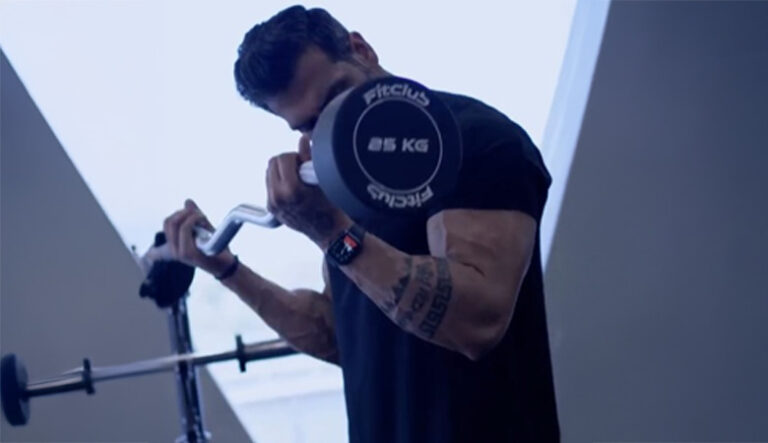
- Lowering your forearm after a bicep curl
- Controlling your body while running downhill
- Lowering into a squat slowly
Does DOMS Have Anything to Do with Lactic Acid?
Lactic acid buildup during exercise was once believed to cause delayed onset muscle soreness, but this myth has been disproved.
The feeling of acute muscle pain during exercise may happen because of lactic acid buildup. However, delayed onset muscle soreness has more to do with muscle fibre damage and inflammation during recovery.
Who Can Be Affected by DOMS ?
It does not matter whether you are a professional athlete, a beginner, or someone who has not exercised in a long time. Delayed onset muscle soreness can happen to anyone.
Regardless of your fitness level, you might experience it after:
- Pushing yourself harder than usual
- Starting a new workout program
- Doing eccentric exercises
- Training muscles that are not used to that movement
Is DOMS a Sign of a Good Workout?
Many people think soreness after every workout is proof of progress. This is not always true.
You may feel DOMS after starting a new program or increasing intensity. But as your body adapts, you may feel less soreness over time. That does not mean your workout is ineffective.
If you are wondering how long muscle soreness lasts, it usually becomes less frequent as recovery and conditioning improve.
Continue Moving to Relieve Soreness in Muscles
When dealing with onset muscle soreness, you may feel tempted to rest completely. However, total inactivity may not always help.
If soreness is intense, listen to your body and allow proper rest. In severe cases, several days of lighter movement or rest may be needed.
Avoid intense cardio or heavy lifting while recovering, as it may extend soreness.
Instead, try light activities such as:
- Walking
- Light cycling
- Swimming
- Gentle stretching
- Yoga
These may not cure soreness instantly, but they can help reduce stiffness.
Delayed Onset Muscle Soreness Treatment Approaches
The only true cure for delayed onset muscle soreness is time. However, several approaches may help reduce discomfort while your muscles recover.
Sports Massage
Some studies suggest sports massage may improve mobility and reduce body pain after gym sessions caused by DOMS.
You can also try self-massage on areas like:
- Calves
- Thighs
- Glutes
- Arms
- Shoulders
Use oil or moisturiser and gently massage the area.
Topical Analgesic Creams
Some creams containing menthol or arnica may help reduce soreness. Apply them carefully to sore muscles and follow label instructions.
Cold Bath
Cold therapy may help reduce soreness linked with delayed onset muscle soreness.
You may try:
- Ice packs on sore muscles
- Cold water immersion for 10 to 15 minutes
- Many athletes use cold baths after intense sessions.
Warm Bath
Warm baths or moist heat wraps may also provide temporary relief and help relax tight muscles.
Inflammation-Fighting Foods
More research is needed, but some foods and supplements may support recovery, such as:
- Creatine
- Omega-3 fatty acids
- Vitamin D
- Gelatin or collagen
- Vitamin C
- Curcumin
- Tart cherry juice
When to See a Doctor?
DOMS usually does not require medical treatment. However, speak to a healthcare provider if soreness affects your daily routine.
Seek urgent medical attention if you have:
- Pain lasting more than 7 days
- Dark urine
- Severe swelling in arms or legs
- Extreme weakness
- Numbness or tingling
- Severe pain that prevents movement
These symptoms may point to more serious conditions. Consider consulting organizations like Mayo Clinic or Cleveland Clinic resources for guidance.
Is There a Way to Prevent Delayed Onset Muscle Soreness?
Preventing delayed onset muscle soreness completely is not always possible, but you can reduce its intensity.
Stay Hydrated
Proper hydration before, during, and after workouts may help reduce discomfort.
Warm Up
Do dynamic stretching for 5 to 10 minutes before exercise.
Cool Down
Finish workouts with gentle static stretching to support flexibility.
Gradual Increase in Intensity
Increase workout intensity slowly so your body can adapt over time.
The Bottom Line!
With a gradual increase in workout intensity, you can take preventive actions to reduce delayed onset muscle soreness. For people experiencing body pain after gym, there are various techniques they can undertake to reduce these symptoms. The best of all is to be patient. Keep on with your workout, and with time, DOMS will become less common with time. For expert workout guidance, recovery support, and professional training programs, you can explore FitClub counselling services. But if the issue persists or there is severe muscle soreness, then we recommend that you contact a healthcare specialist.
Frequently Asked Questions (FAQs)
What is the post workout muscle pain, and why might it happen?
Post workout muscle pain usually occurs when the muscles tend to experience microscopic damage while working out. These happen mainly when trying something new or doing an intense workout.
What do you understand by delayed onset muscle pain?
Delayed onset muscle soreness refers to the stiffness in the muscles and a sense of discomfort you feel after 12 to 48 hours of workout. This is your sign that muscles are adapting to a new workout regimen.
Why do I experience body pain after gym sessions?
The body pain you feel is generally due to stress in the muscle fiber and inflammation. To reduce this discomfort, one can engage in proper warm-up, stretching and staying hydrated.
How long does muscle soreness last?
The duration of how long does muscle soreness lasts varies upon the workout intensity. Typically, the individuals feel peak pain within 24 to 72 hours of the workout, and then relief will start.

Wordplay is what I am good at; I use it to tell stories, write blogs, and craft articles that readers actually connect with. From travel blogs to fitness and Social Media captions, I create content for various industries.