Pilates vs. Yoga – Your Ultimate Guide towards Fitness
Improvement in physical health is easily achievable with a variety of exercises; you can also do it alone or with a group of people. However, for fitness, you need to make several other decisions as well, such as choosing between Pilates vs Yoga. Individuals in general do not know the difference between them, and which one they should go for.
Both of them hold some similarities, yet they are so different from each other. Both Pilates and Yoga have their own set of health benefits and bring freshness to your routines if performed regularly. Now, if you’re facing the same dilemma, then this blog right here is for you.
Pilates vs Yoga – Key Differences
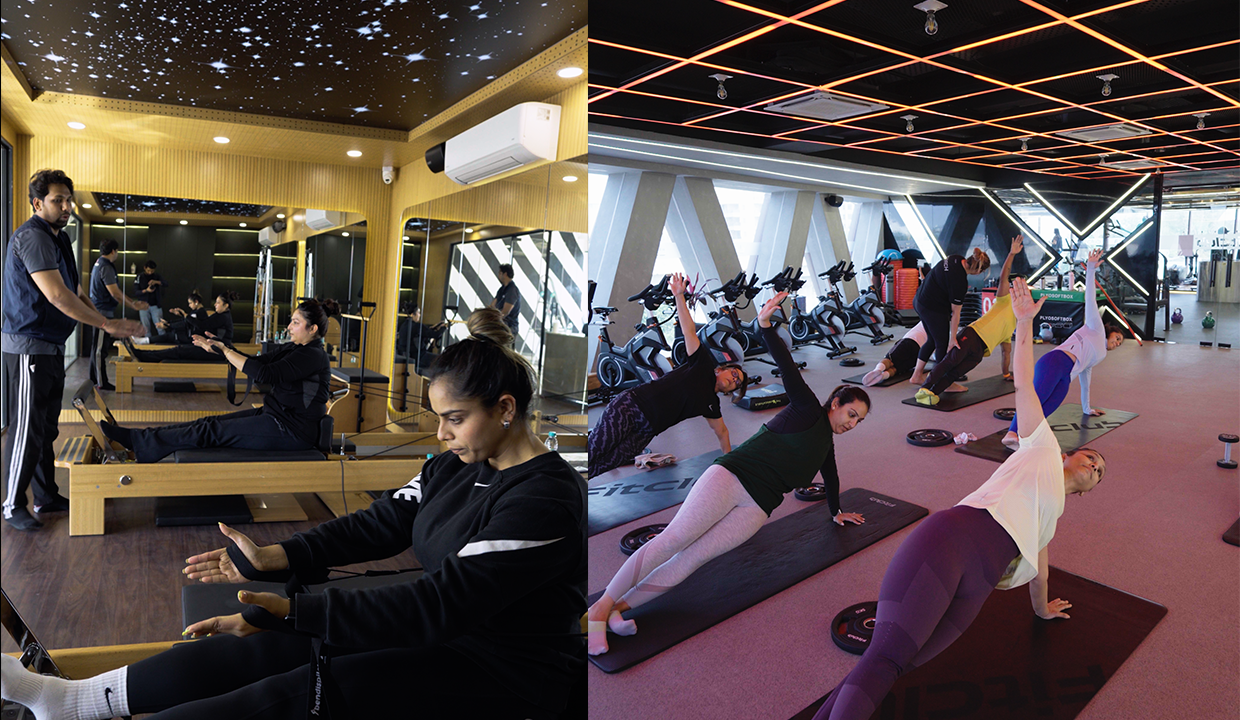
The essential point of difference between them is that Yoga works to enhance the flexibility and broader muscle groups. On the other hand, Pilates puts its focus more towards building core strength, body control, and muscle toning.
Pilates can be faced paced which might make you unable to keep up with it, whereas yoga is slow-paced and easy for people to adapt. To enhance your spirituality, strength, balance, and endurance, you must go for Yoga.
Overview of Pilates
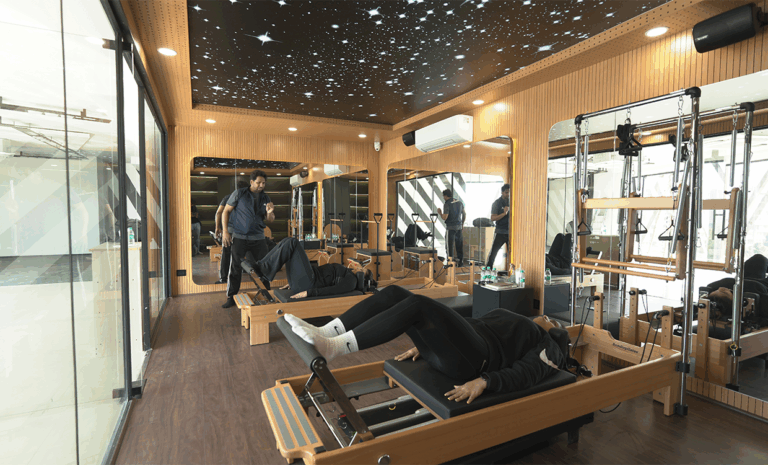
Do you know about the history of Pilates or when it came into existence? By the end of World War I, Pilates came into existence by Joseph Pilates. In the early years, this technique was applied to wounded soldiers as rehabilitation. In the year 1923, Pilates was introduced among the people of the United States. And ever since then, people have been redefining it as per their convenience.

Why Pilates?
- Lowering Joint pain
- Gaining better balance
- Boost Posture and Flexibility
- Enhances Endurance and muscle strength
Who should go for Pilates?
People suffering from the following conditions should indulge in Pilates:
- Back Pain
- Arthritis
- Injury of Joins
- Urinary Incontinence
- Respiratory conditions
Yoga Overview
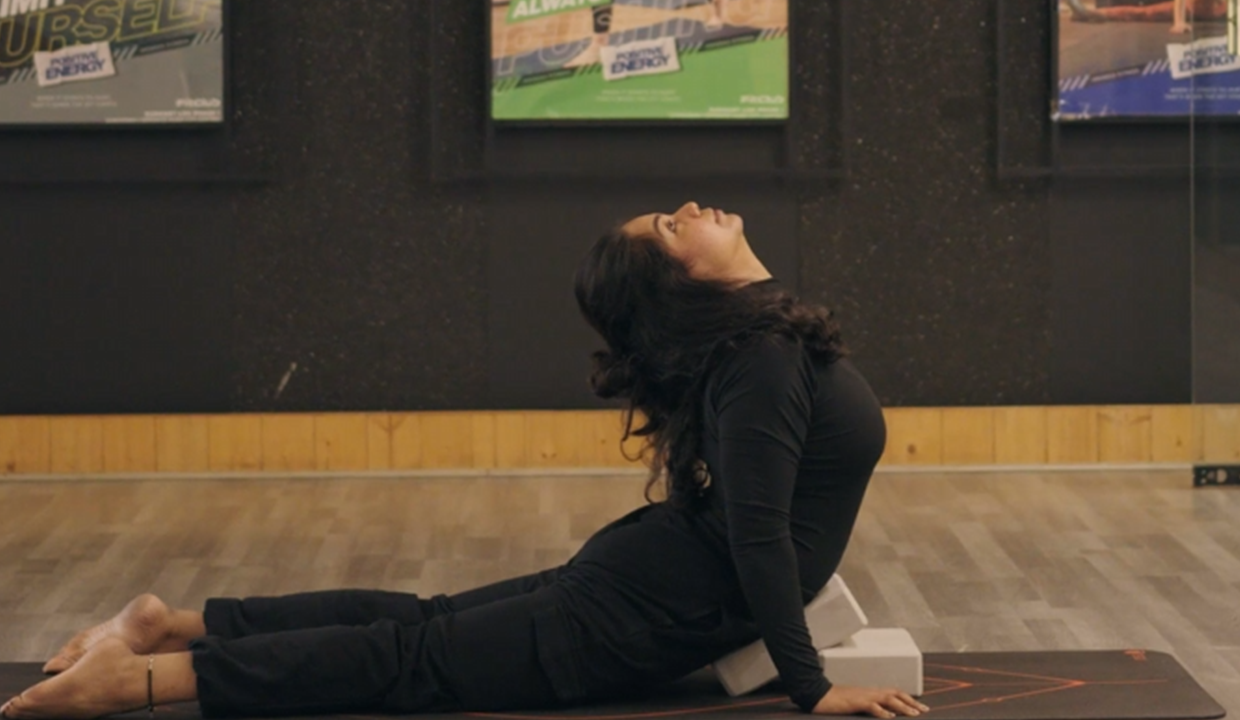
The ancient Hindu texts known as the Vedas are where yoga first appeared, more than 5,000 years ago in India. It is based on the following five beliefs:
- Appropriate relaxation techniques
- Breathing exercises,
- Diet,
- Meditation,
- And optimistic thinking
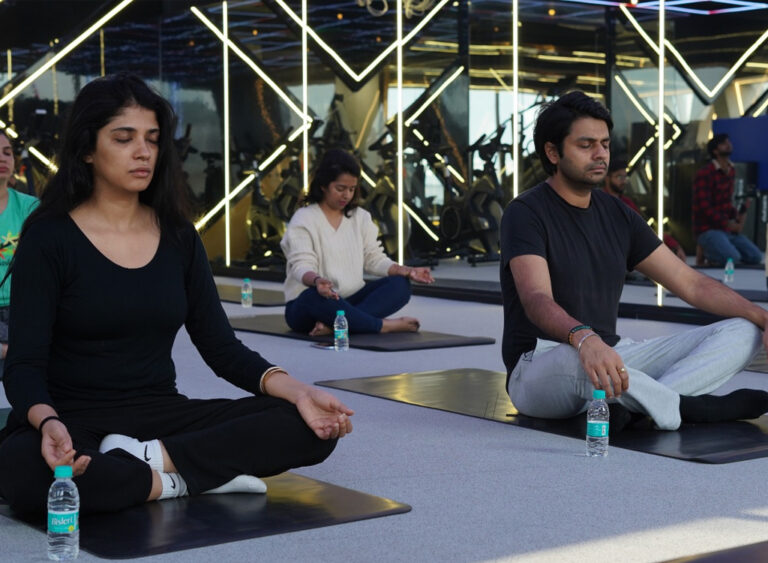
Yoga can be seen as a form of mind-body fitness. It combines physical activity and mindful focus. This brings increased awareness to the breath and energy. The benefits of yoga have been studied extensively. In addition to physical and mental benefits, yoga is also known to have positive effects on medical issues, including:
- Anxiety
- Depression
- Multiple sclerosis
- Arthritis
- Respiratory conditions
- High blood pressure
- Chronic pain
- Type 2 diabetes
What to Choose?
Pilates and yoga are both excellent forms of exercise. To find out what’s best for you, you might want to speak with an instructor if you have a medical condition. The kind of equipment used is the primary distinction between them.
Many of the movements used in a mat class are also used in equipment-based workouts, but with more resistance. Many people find mat Pilates to be very beneficial, but those with poor core strength or limited mobility may find it more difficult.
Some types of Pilates require access to equipment, and the practice can be costly. Similar to yoga, Pilates can be altered, but in order to prevent injury, the exercises must be taught and performed correctly. Seek advice from our trainers at FitClub and then decide what’s best for you.